Crunch, crunch…
Hard-packed snow squeaks underfoot. Fine ash rides the wind and coats my tongue—gritty, metallic—each gust slipping past my layers, hunting for bare skin. The sky is painfully blue, and the sun is doing its best impression of warmth, but Mount St. Helens isn’t interested in comfort. It’s early afternoon and the summit crater is close enough to feel inevitable, yet the volcano is making us earn every step.
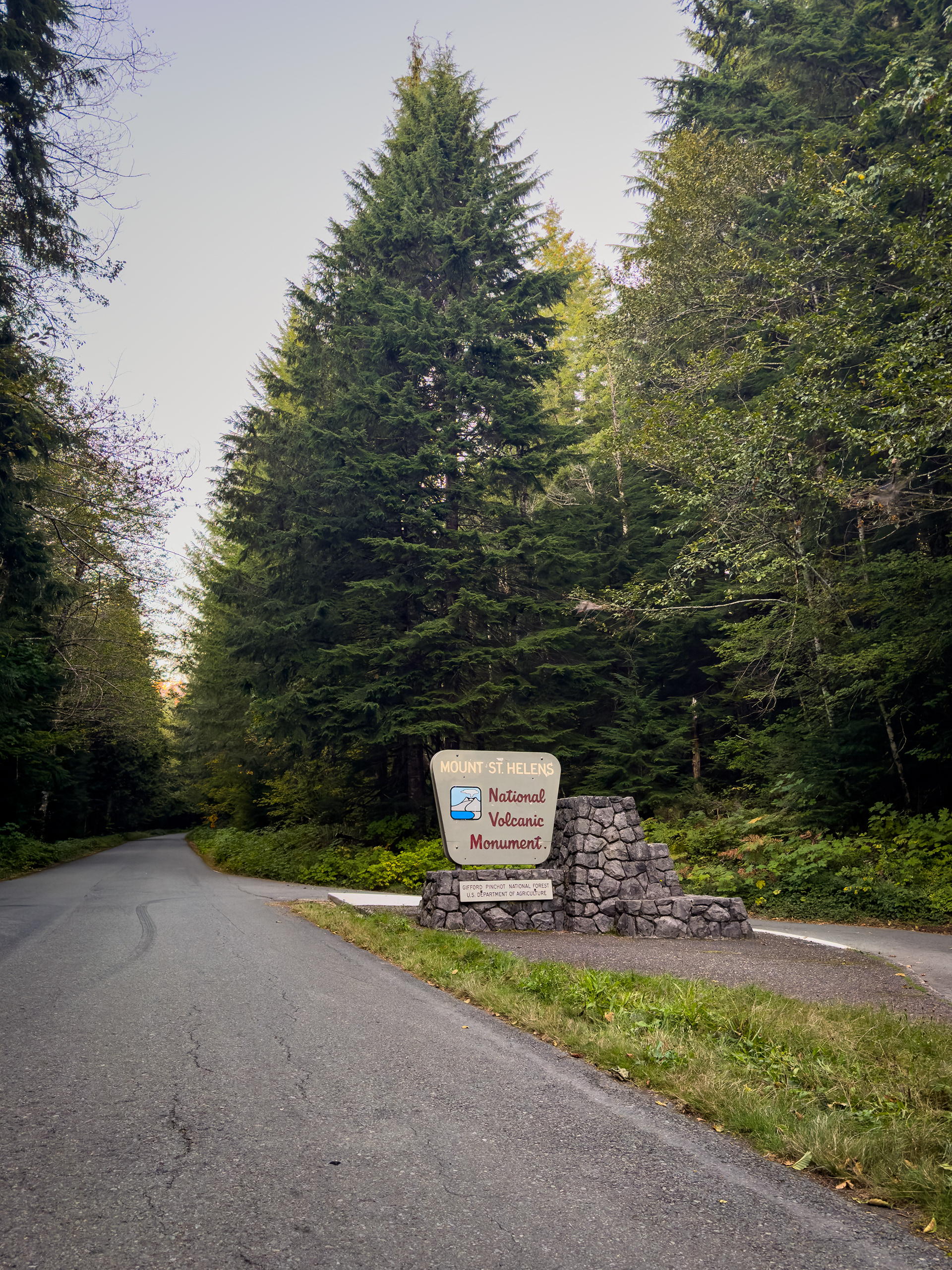
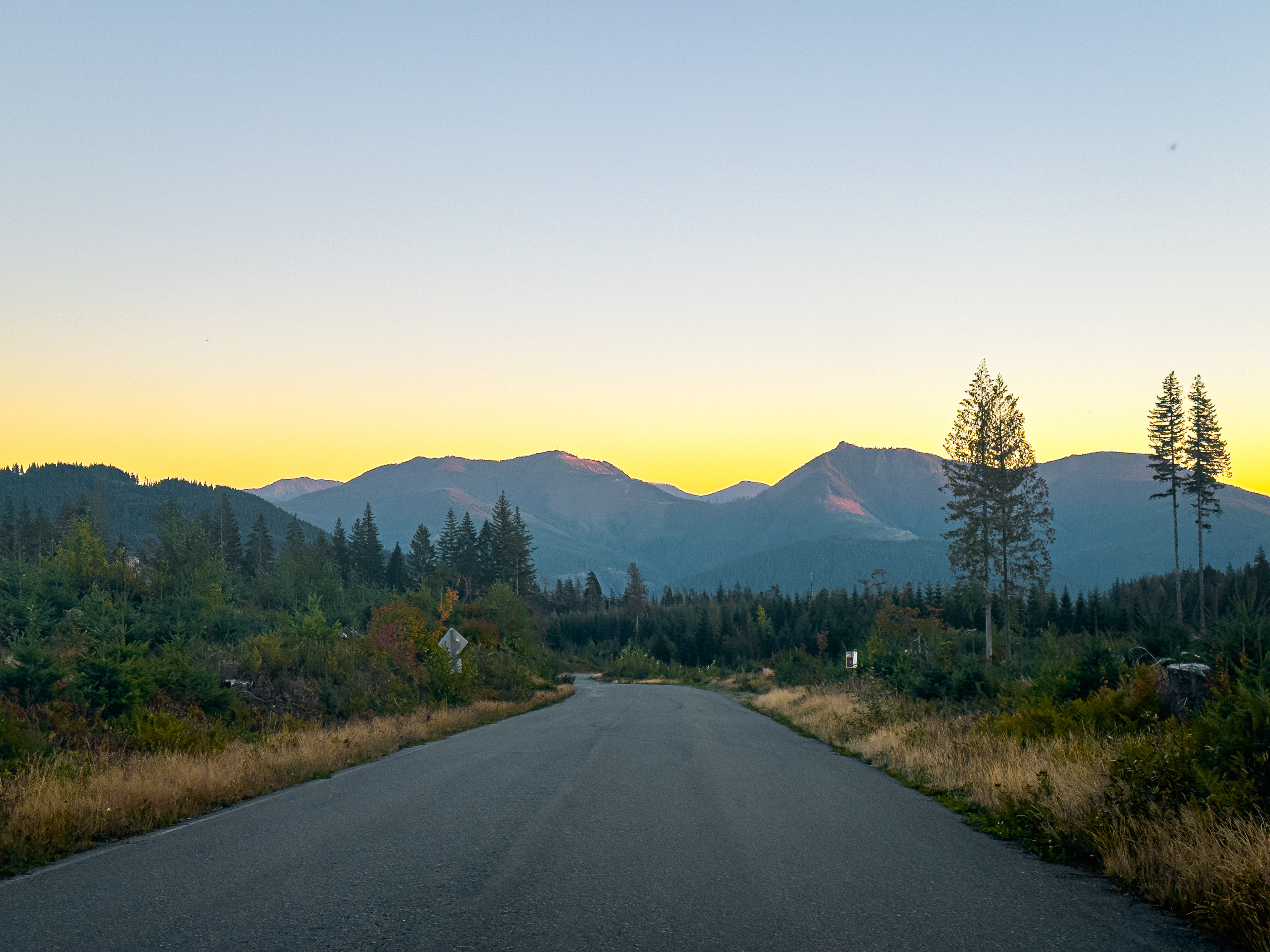
We’ve been moving since 8 a.m., starting in the wooded base where the trail is still generous—packed dirt, pine needles, a rhythm you can settle into. The day began at 5 a.m. in Eugene, Oregon—headlights cutting through sleep, thermoses and gear and that quiet pre-adventure buzz. By the time we reached Gifford Pinchot National Forest, the goal was simple: a bucket-list climb that would end at the rim of one of the most famous volcanoes in America.
The thing about Mount St. Helens is that it doesn’t let you forget what it is.
Even before our boots hit the Ptarmigan Trail, I’d watched the footage of the May 18, 1980 eruption: the mountain swelling with pressure, the slow inevitability of it, and then the sudden violence of release. A powerful earthquake triggered one of the largest landslides in recorded history, uncorking a lateral blast that tore through the north side of the volcano and flattened forests like matchsticks. An ash plume rose miles into the sky. The landscape we were about to cross had been erased and rewritten in a matter of minutes.
Maybe watching that right before attempting the summit wasn’t the smartest pre-hike pep talk. But I wanted to understand the mountain’s story while standing on it—while feeling, in small doses, what it means for a place to be both beautiful and lethal.
We weren’t supposed to be here today. A few days earlier, we’d planned to camp nearby and make a relaxed weekend out of it—alpine air, early start, maybe a sunrise view if we were lucky. Then the forecast rolled in with snow and low visibility, the kind of weather report that feels less like information and more like a firm no. I was devastated in that very specific way you can only be when you’ve built a whole mental movie of an adventure and the universe pulls the plug.
We forfeited a permit we’d worked hard for—entered the lottery a month in advance, held it like a fragile ticket to something rare—and I felt the sting of it all weekend, like I’d been turned away at the door.
So, we pivoted. Decided on a one-day push: three hours each way from Eugene. No camping. No flexibility. Monday, October 6, 2025—weekday logistics that made the new permit easier to snag, the trail quieter, and the mountain feel more like an agreement than a competition.
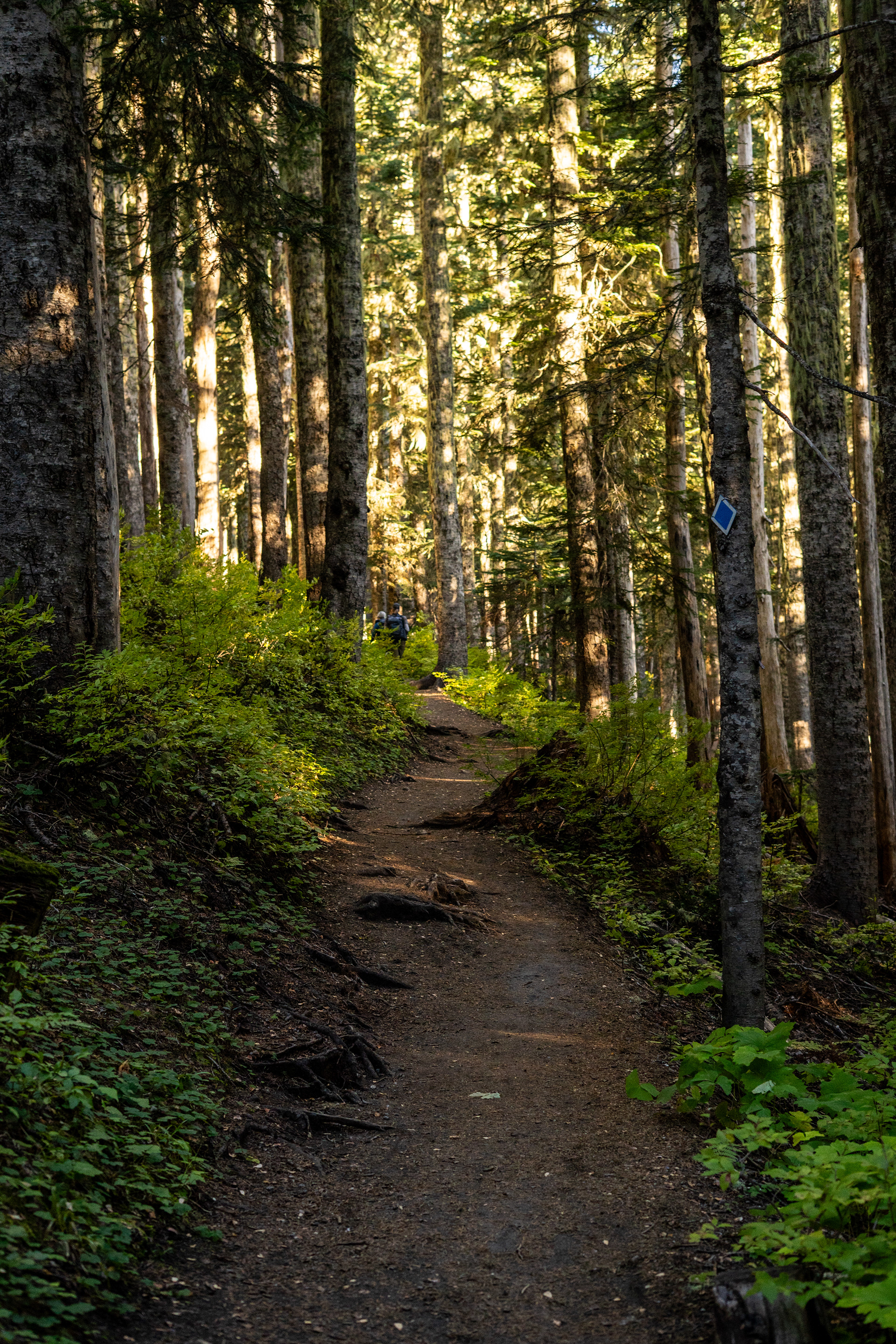
The first two miles almost trick you. The forest is calm, familiar, and forgiving. It’s easy to settle into conversation, to enjoy the warmth building in your chest and legs, to believe this will be a standard mountain day.
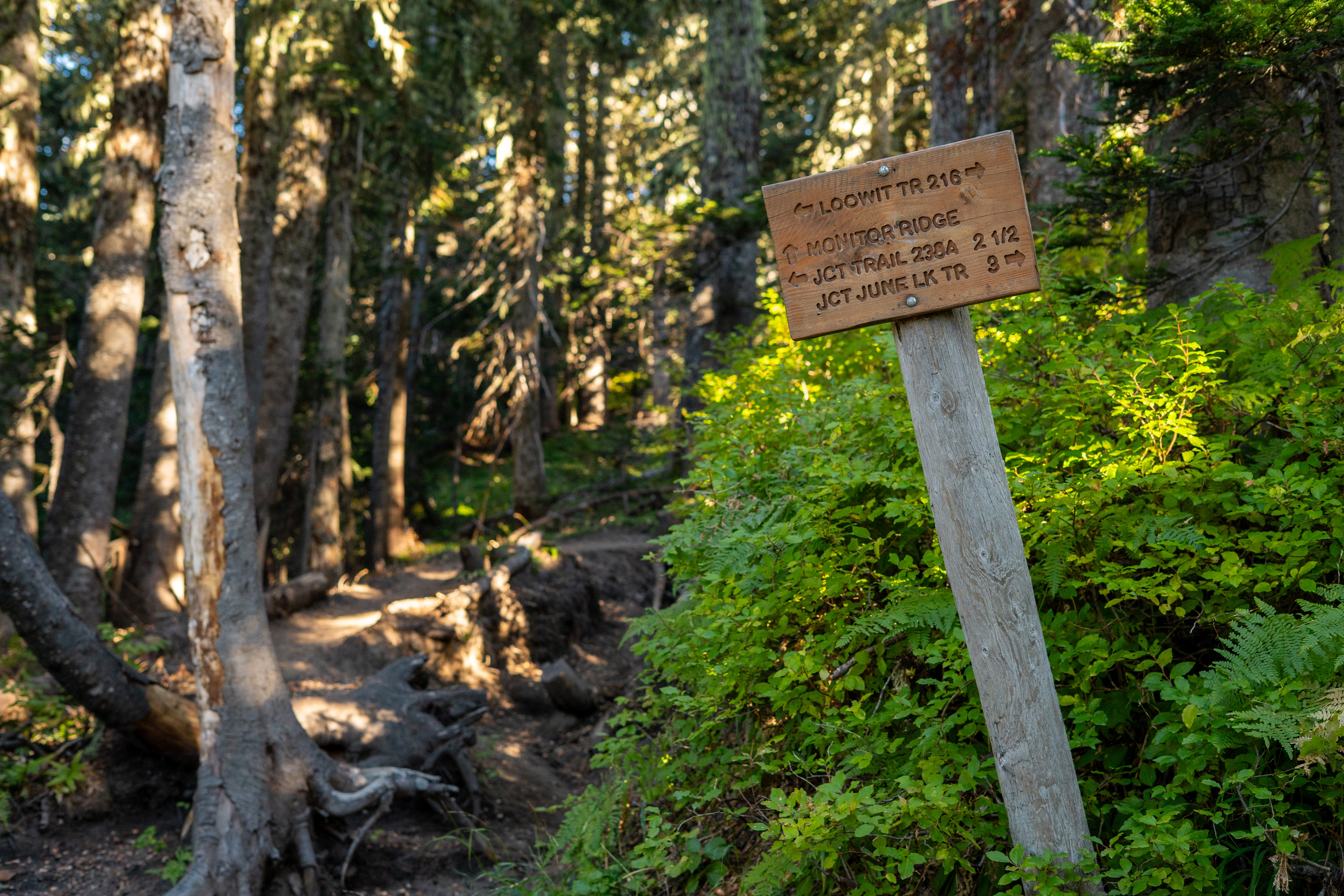
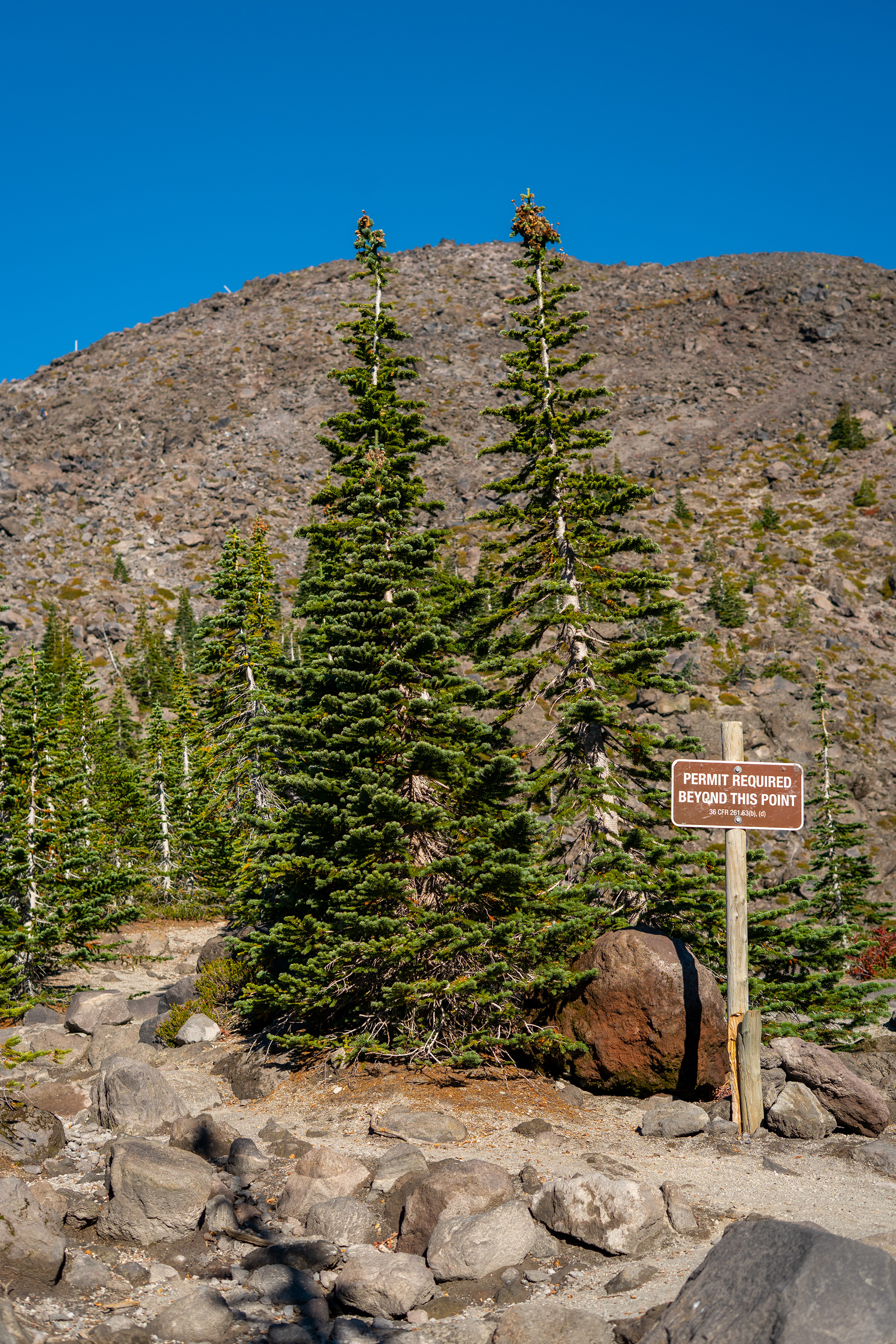
Then the trees thin, the ground turns gray, and the volcano introduces itself.
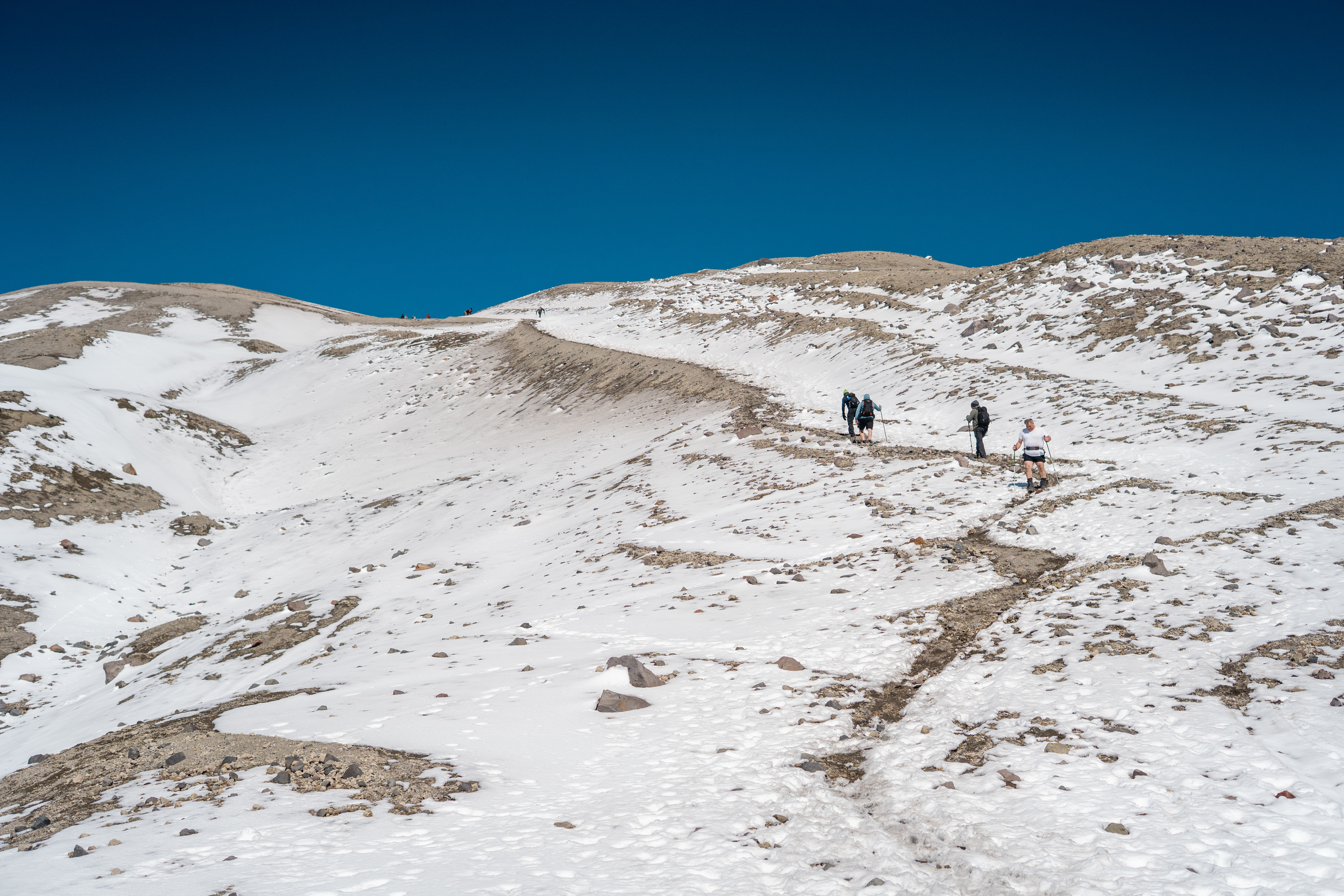
Ash and rock dominate everything—sharp-edged boulders, loose gravel, the occasional wind-sculpted ridge. The path became less a trail and more a route—pick your way through boulders, step up, step down, use your hands, check your footing, repeat. Boots find purchase on surfaces that don’t always agree to hold you. It’s sustained scrambling, the kind that forces your focus into a narrow beam. Your world becomes the next safe foothold and the sound of your own breathing.
Every gear choice starts to feel like a small act of gratitude. Gloves protect your hands from cold rock and the occasional slip. Covered legs keep sharp scree from sandpapering your skin. Trekking poles buy you balance and reduce the mental fatigue of constant bouldering—especially on the way down, when gravity gets opinionated. We’d brought hiking boots, full packs, and enough snacks and electrolytes to keep our bodies from revolting halfway up. We stopped a few times to eat quickly, but the wind made lingering feel expensive.
Higher up, the terrain shifts again. Scree—loose volcanic gravel that slides under your boots like it’s alive. The kind of surface that turns every step into a negotiation. Gaiters weren’t just nice to have; they were a sanity-saver, keeping the grit from pouring into our boots and rubbing raw spots into our heels. The last half mile was grueling and steep enough to make you lean forward and climb with your calves and quads burning. We got lucky—the ground was damp and stitched with thin snow, which gave us just enough traction to keep moving without skating backwards.
And then there’s the ash. It’s not dramatic at first—just a taste, a dryness—but it’s persistent, and when the gusts pick up, it becomes a physical presence. A facemask was one of the best calls we made. It kept the grit off our teeth and out of our throat, and it made breathing feel like a choice again instead of a chore.
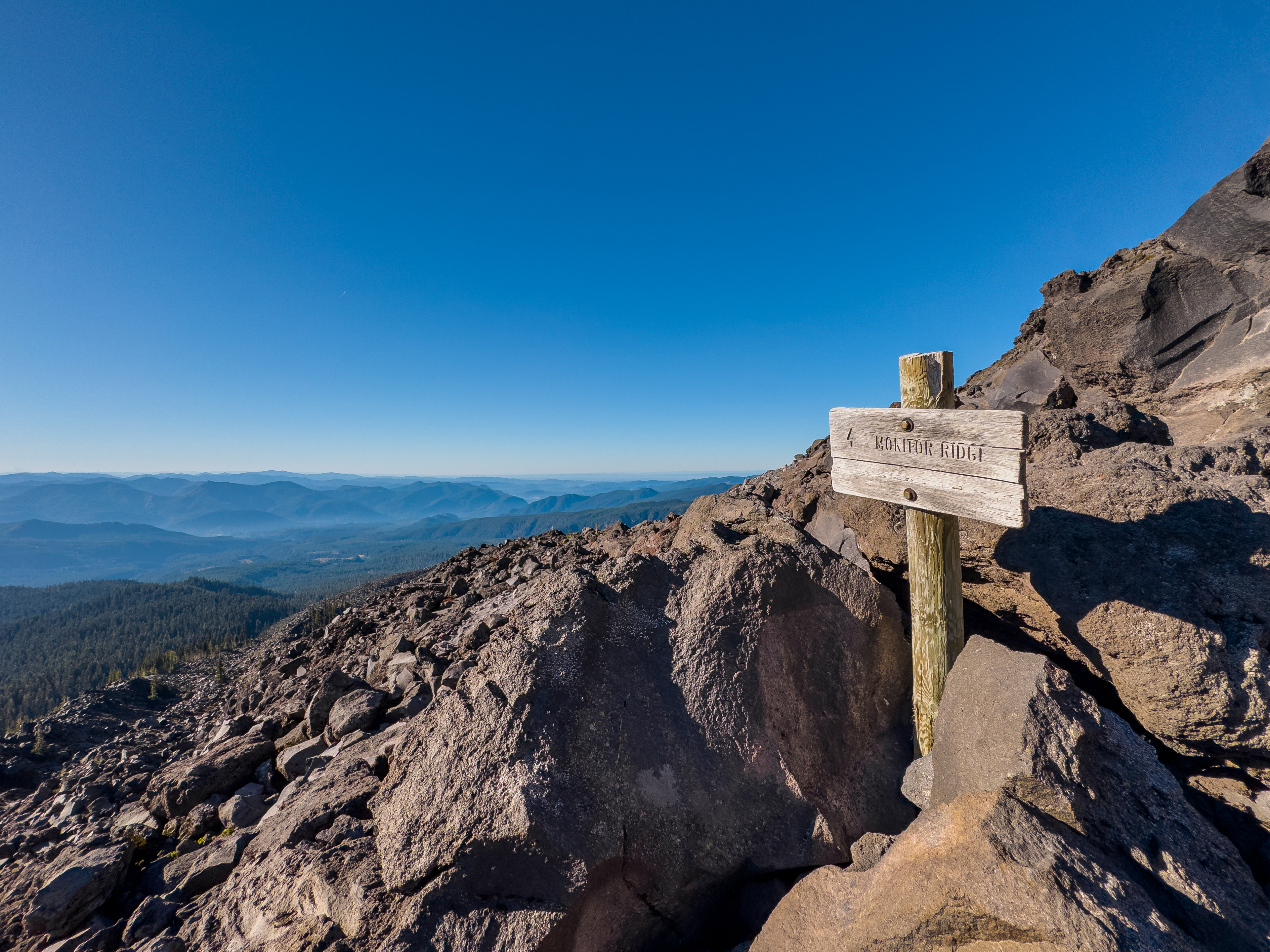
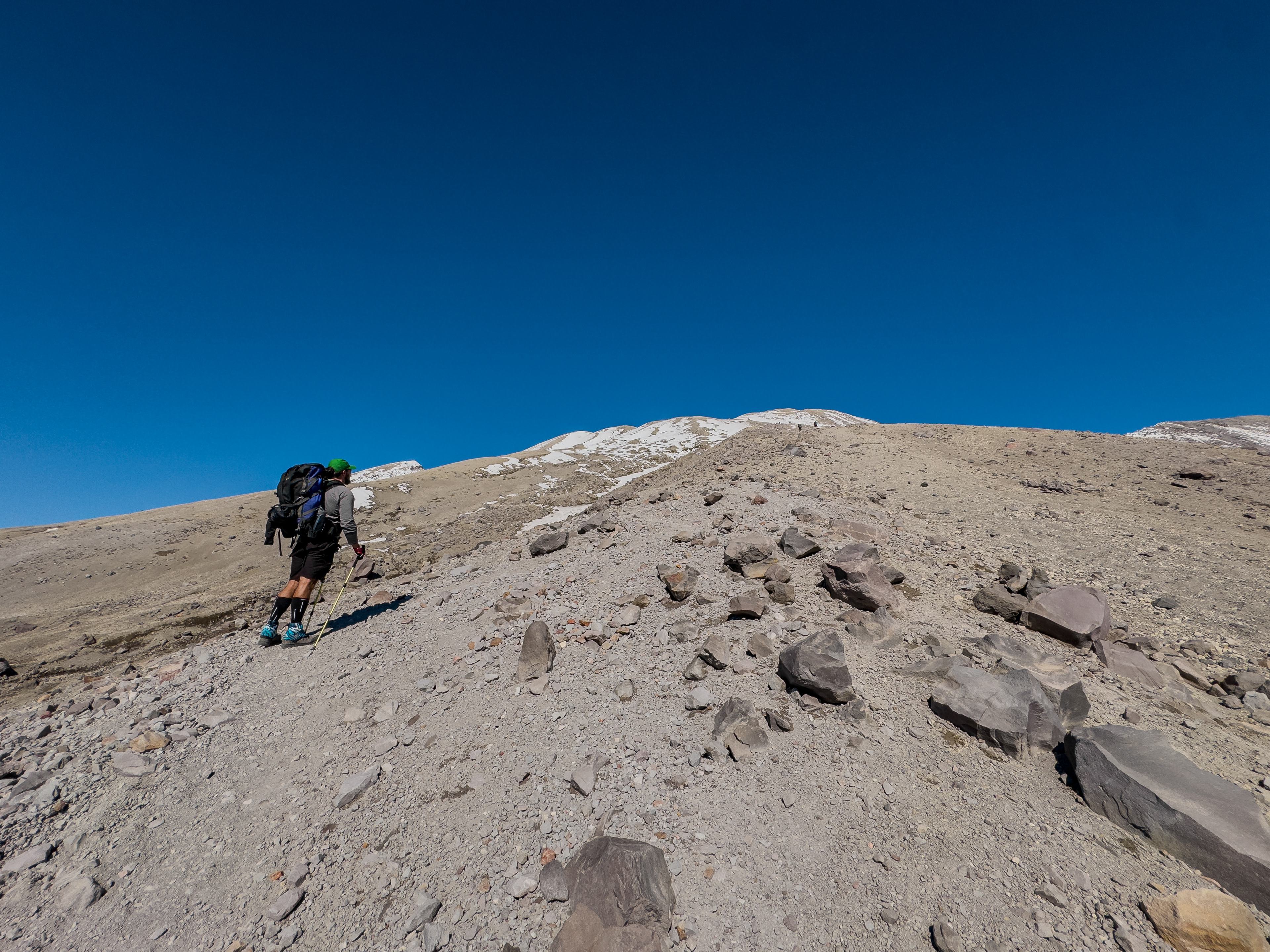
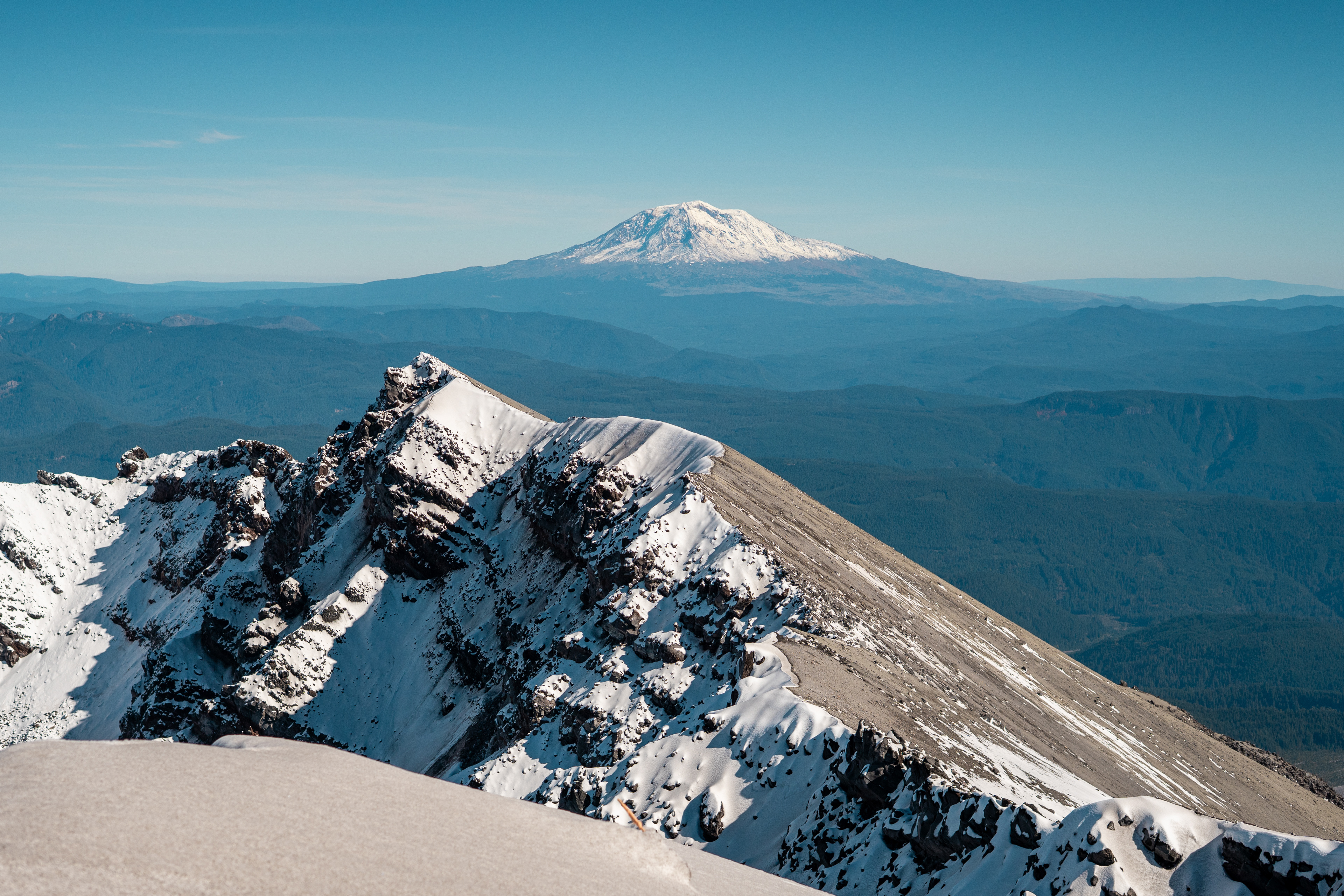
The summit area arrives without fanfare. The wind is sharper here, and the cornice—a snow lip along the rim—changes the whole mood. It looks beautiful and it is absolutely not something to get casual around. We stayed back, because mountains don’t care about your bucket list.
From a safe distance, we caught brief looks down into the crater. It was quiet and stunning, snow pooled in soft curves inside the bowl, dark rock outlining a space that felt both enormous and close. But the truth is, the view into the crater was also… limited. The cornice kept the best angles guarded, and there wasn’t much of a place to linger without feeling like you were trespassing against common sense.
I didn’t expect the summit to feel so stingy.
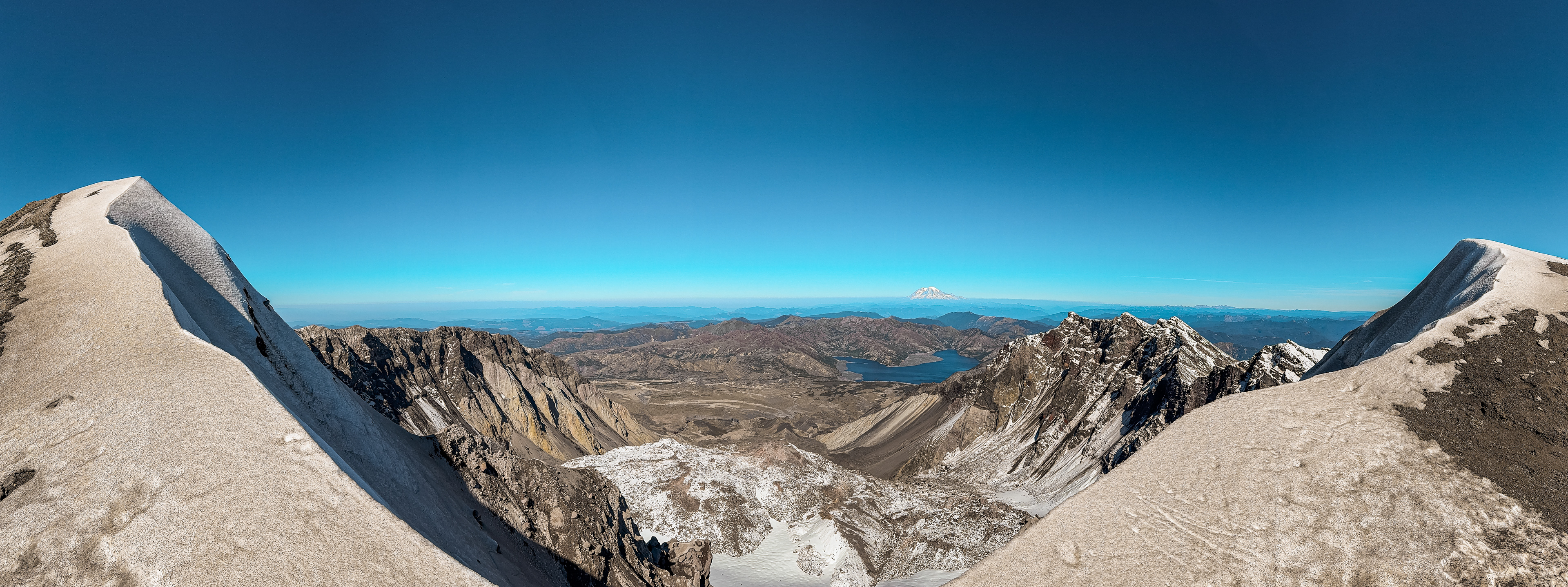
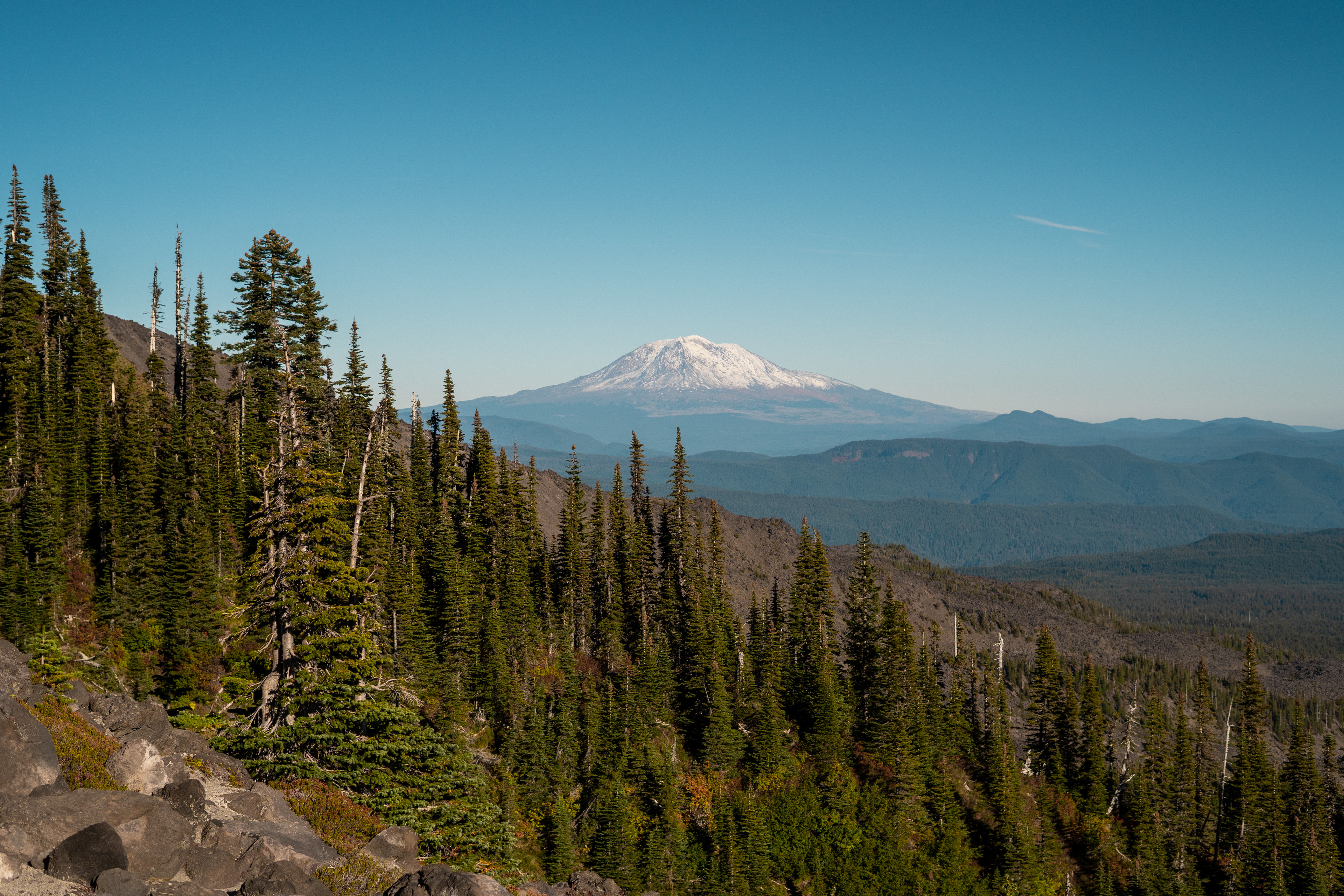
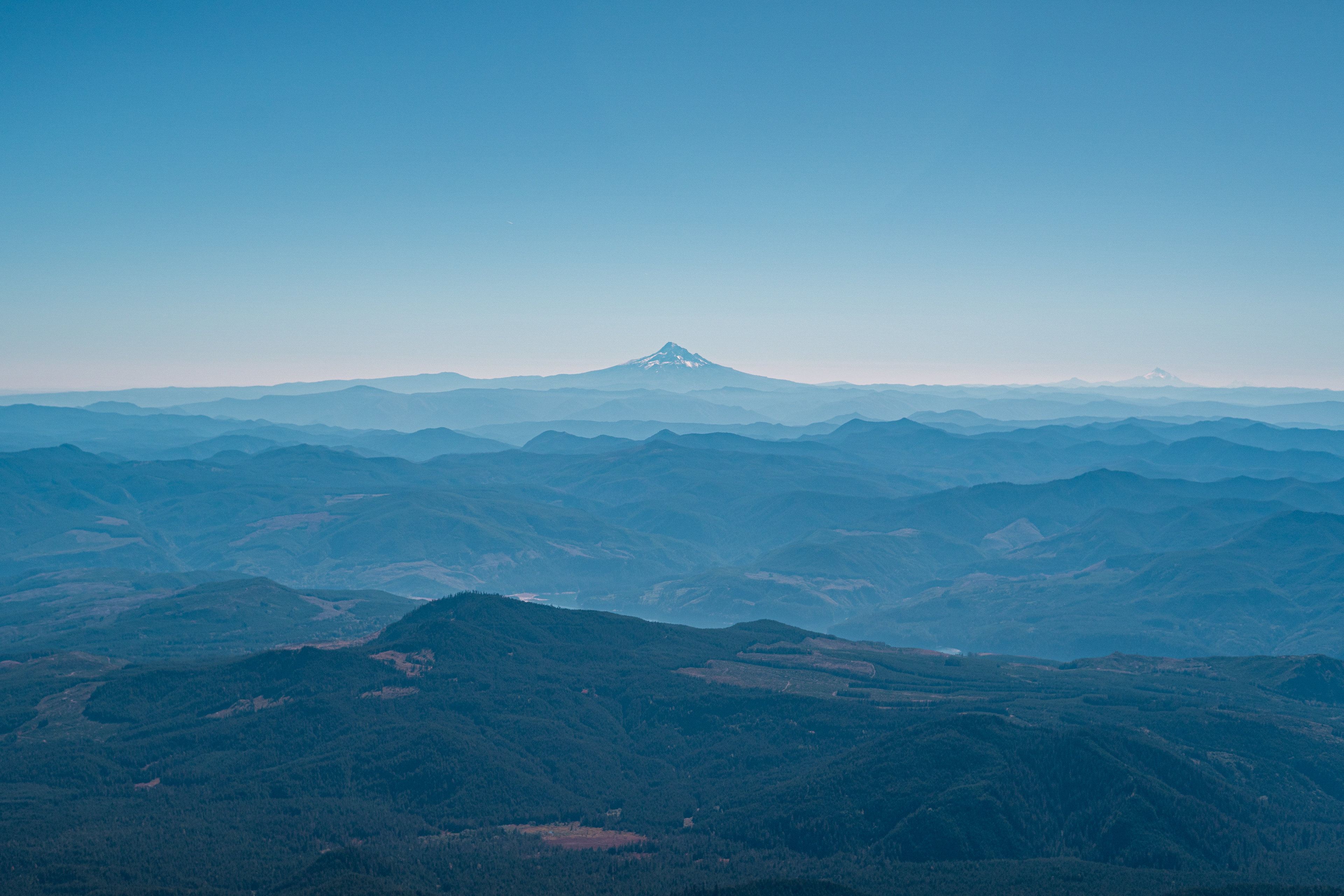
But facing away from the crater, the horizon absolutely delivered. Mt. Rainier and Mt. Baker stood like distant sentinels, and even Mt. Hood is visible in the far reach of the Cascades. The blast zone spread below us in a dramatic sweep—an unmissable reminder of what happened here, and how the mountain is still in the middle of becoming something new.
But the summit itself didn’t offer much comfort. There wasn’t a natural place to hang out, no wide, welcoming top where you can sprawl and soak it in. We ate our sandwiches tucked against the side of the mountain, hunched into our layers, chewing quickly while trying not to swallow ash on purpose. The wind would surge, and we’d pause mid-bite, laughing a little at how absurd it was to be eating lunch in a place that felt so intent on refusing us. It was funny in that delirious, high-elevation way—being so happy to be there and so ready to leave at the exact same time.
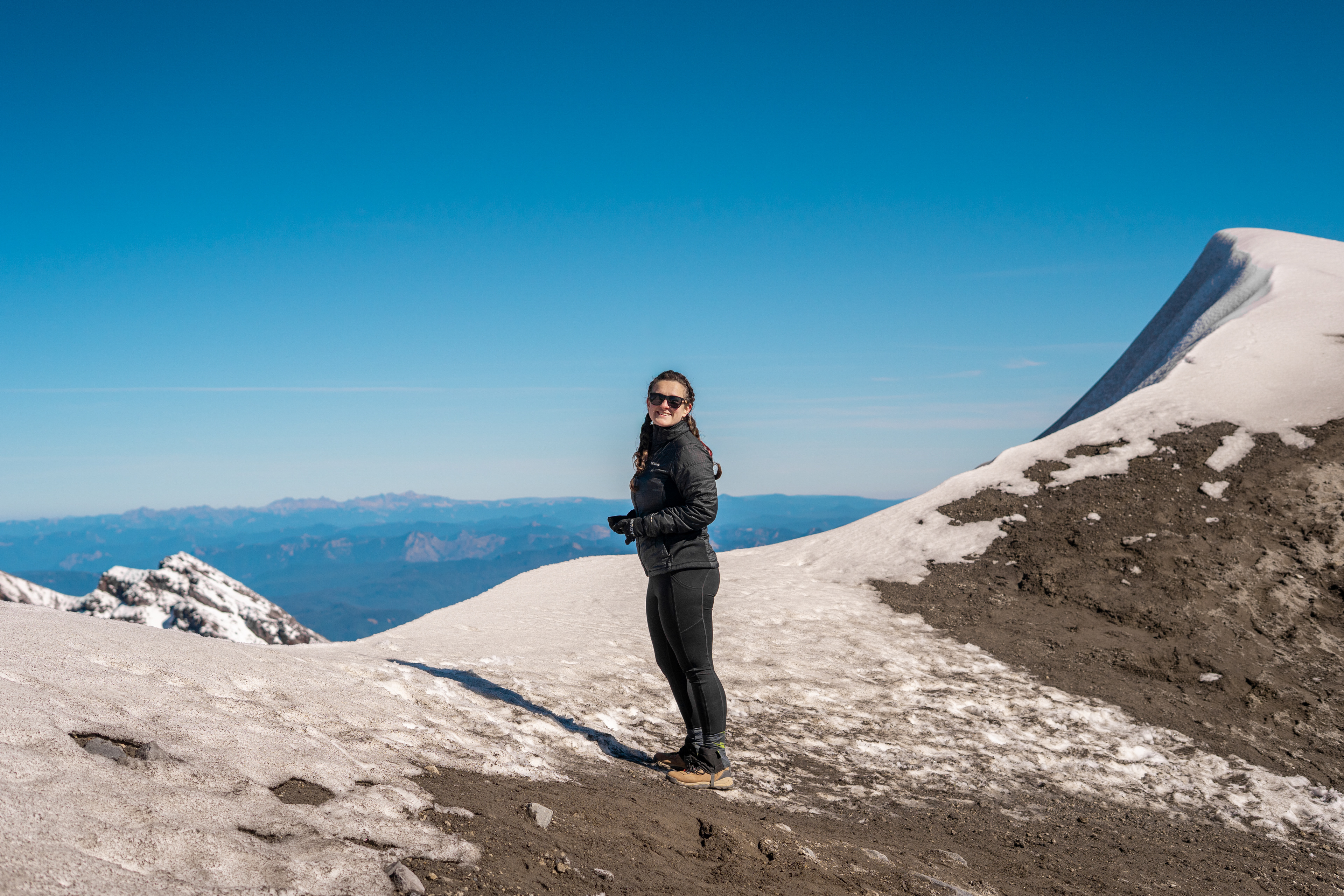
On the way down, the mountain demanded a different kind of attention. The scrambling that felt athletic going up becomes cautious on tired legs. This is where trekking poles feel less like optional accessories and more like insurance. It’s also where it becomes clear why safety matters on this route: a wrong step on boulders, a slide on scree, a sudden weather shift. Mount St. Helens is not a place for the “we’ll figure it out” version of yourself.
My honest takeaway: I probably wouldn’t recommend this hike unless it’s a must-do for you.
It’s not that it isn’t incredible. It is, though not for a beginner hiker or the faint of heart. It’s about 9 miles with roughly 4,500 feet of elevation gain, and after the easy forest start, it’s relentless scrambling and forced awareness—every footfall calculated, every misstep a potential ankle twist. If you’re looking for a rewarding summit view with a straightforward trail, there are other peaks that will give you more for less.
But if you’re drawn to volcanoes, to stories written in ash and time, to standing on a place that has literally changed the map—then Mount St. Helens delivers something else. Not a perfect view, but a visceral experience. A physical lesson in geology, humility, preparedness, and the kind of beauty that doesn’t bother trying to be convenient.
And in the end, maybe that’s what I wanted most: not a postcard summit, but a day I could feel in my body afterward. A mountain that didn’t flatter us, didn’t make it easy, didn’t perform for our cameras—yet still offered, in flashes, the kind of wild beauty that makes you grateful you showed up at all.
A planning note for anyone tempted: the Ptarmigan Trailhead has bathrooms and first-come, first-serve overnight camp spots, which makes it an excellent base if the forecast cooperates. Pack layers. Bring gaiters, gloves, poles, and a mask. Build extra time for careful movement. And if the weather turns? Take the loss, protect your future self, and come back later.
Mount St. Helens will still be there—windy, gritty, magnificent, and entirely uninterested in making your adventure easy.