University of Oregon
Duckflix Series
A streaming-style series that dropped the Oregon Duck into the biggest franchises of the moment — and made Oregon look like a place worth choosing.
View campaign video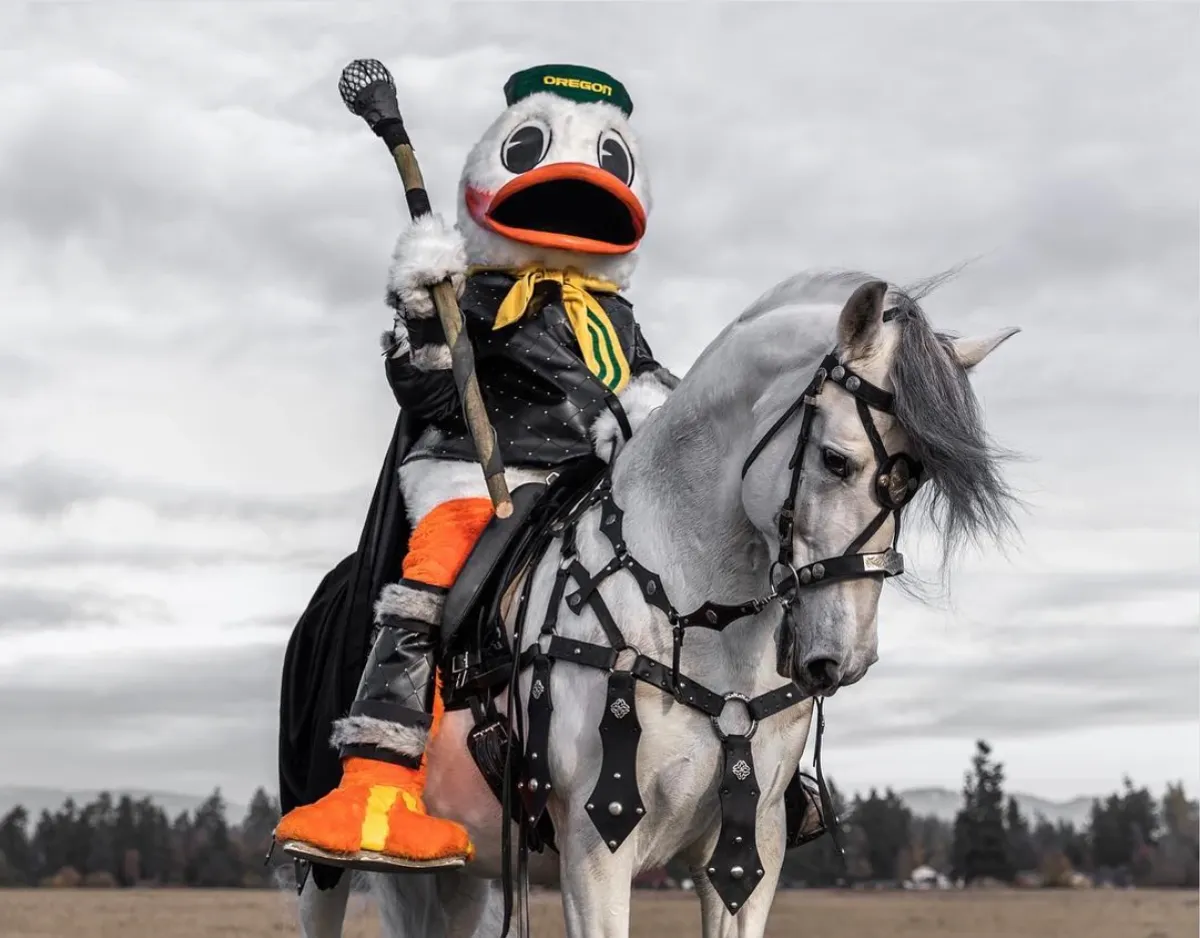
The overview
Duckflix spoofed the franchises everyone was talking about — Star Wars, the Avengers, Game of Thrones — with the Oregon Duck in the lead, turning fan excitement into a reason to picture yourself at Oregon.
The campaign film
Now streaming
Strategy
Duckflix is a series of short videos starring the Oregon Duck, packaged like a streaming service — the name is a Netflix nod. Each episode spoofs a franchise at the height of its cultural moment, so the Duck shows up in the conversation people are already having.
The fun was the vehicle; enrollment was the point. If prospective students saw the Duck, got excited about the Duck, and came away thinking a university that makes things like this must be a pretty great place to be, the series had done its job. Affinity with current fans came along with it.
Audience
- Primary: prospective students — and the families helping them choose — who meet Oregon first through social.
- Secondary: current students, alumni, and Ducks fans, plus the wider college-football and pop-culture audience who find the videos through the franchise being spoofed.
Goals
- Make Oregon memorable and appealing to prospective students, supporting enrollment.
- Show a university with personality — one confident and creative enough to make this.
- Build affinity with the Ducks audience between and around games.
- Tie each episode to a university moment — rivalry week, Decision Day — and a pop-culture one.
- Create evergreen videos that can be brought back whenever the moment returns.
Touchpoints
A streaming-platform wrapper held the series together, and the launch post set up the premise in one line: "There aren't enough streaming services out there. That's why the Duck made his own!" Each video is a 60- to 90-second episode that borrows the look and feel of the franchise it's spoofing, recast around the Duck — short enough to watch in the feed, built to be shared.
I worked on the production team rather than as the director: helping concept the series and generate ideas behind the scenes, assisting on the shoots, and supporting the edit.
Output
Yield
The series passed 2 million views and more than 50,000 engagements, all of it organic. Super Duck ran for Decision Day in spring 2019, and that fall the University of Oregon enrolled a record 4,560 first-year students — the product of a much larger recruitment effort, but the class the series was made to help bring in. Star Duck became the breakout and the most exemplary of the idea: a video with a built-in annual moment, so it has a reason to come back every year — and every time it does, Oregon gets another turn in front of the students it hopes to recruit.
More campaigns
View all work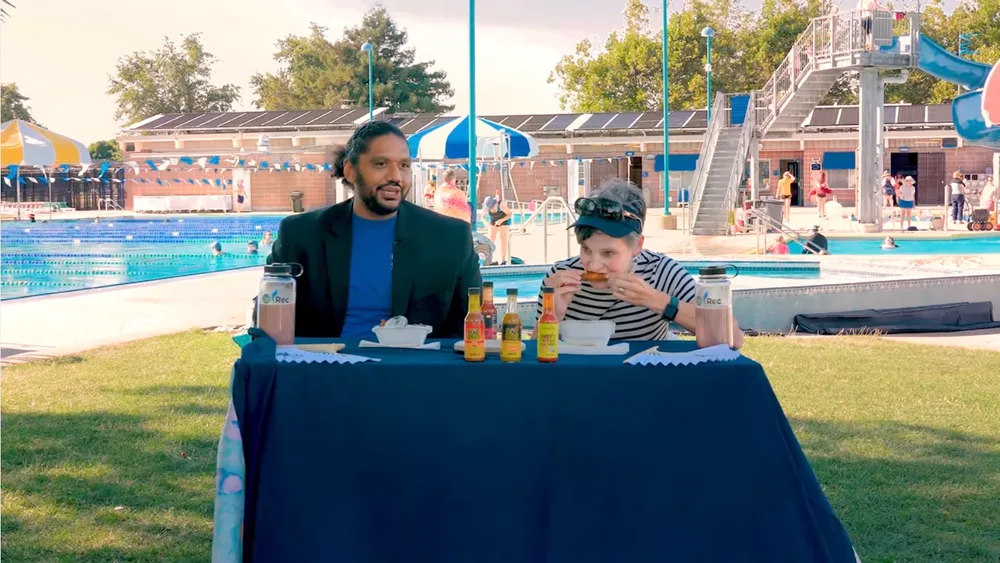
Hot Takes: Poolside
A get-to-know-you video that introduces Eugene's new city manager over a lineup of progressively spicier wings — built to warm up an all-staff meeting, then recut into a four-part social series for the public.
Banana Ball Comes to Eugene
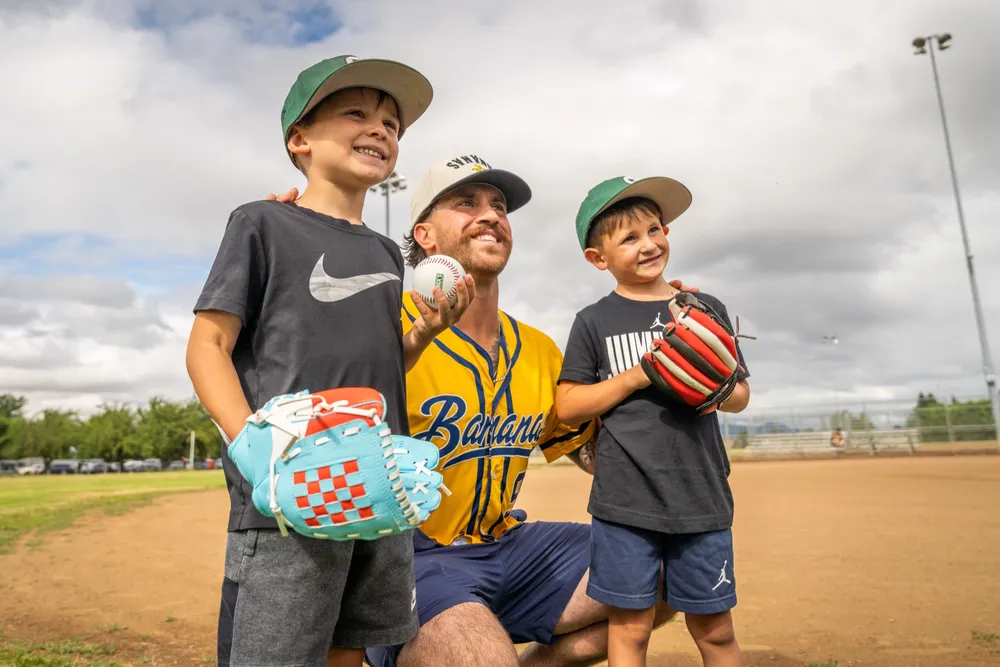
When Banana Ball came to Eugene for the first time, the City rode the hype with free community events — a youth baseball clinic and a pool pop-up with the players — leading into two sold-out nights at Autzen Stadium. I promoted the events, coordinated media credentials, and photographed everything into a recap and thank-you to the community.
Rec Facility Rentals
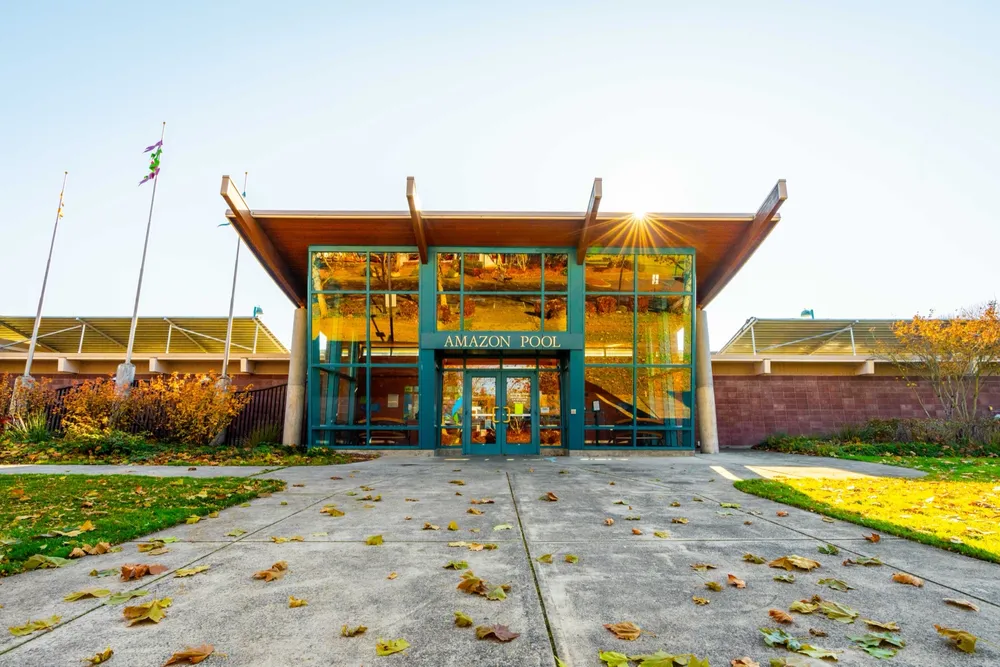
A rental-marketing campaign for Eugene Recreation's community centers and event spaces — a venue trailer, facility photography, and one interactive 360° tour housing all eight venues, so renters can walk every room before they ever call.
Rollout
Each episode was built for a university moment and dressed in a franchise of the moment. Game of Ducks (November 2018) and Star Duck (November 2019) drummed up excitement for the Civil War, the rivalry game against Oregon State. Super Duck (April 2019) was made for Decision Day — the deadline for admitted students to commit — putting the enrollment goal front and center.
Episodes were posted across the University of Oregon's YouTube, Instagram, Facebook, and X (formerly Twitter) channels — entirely organic, with no paid promotion behind any of them. On Instagram, a follow-up post kept each one in the feed: a photo post for Game of Ducks, a Call Me a Duck post for Super Duck, and a behind-the-scenes cut for Star Duck. Because they're built on recurring moments rather than a single date, they didn't expire — Star Duck in particular gets brought back every May the 4th, and ahead of games whenever it fits.